
Cheque Dishonour Laws in India: Rights of Payee & Drawer Explained
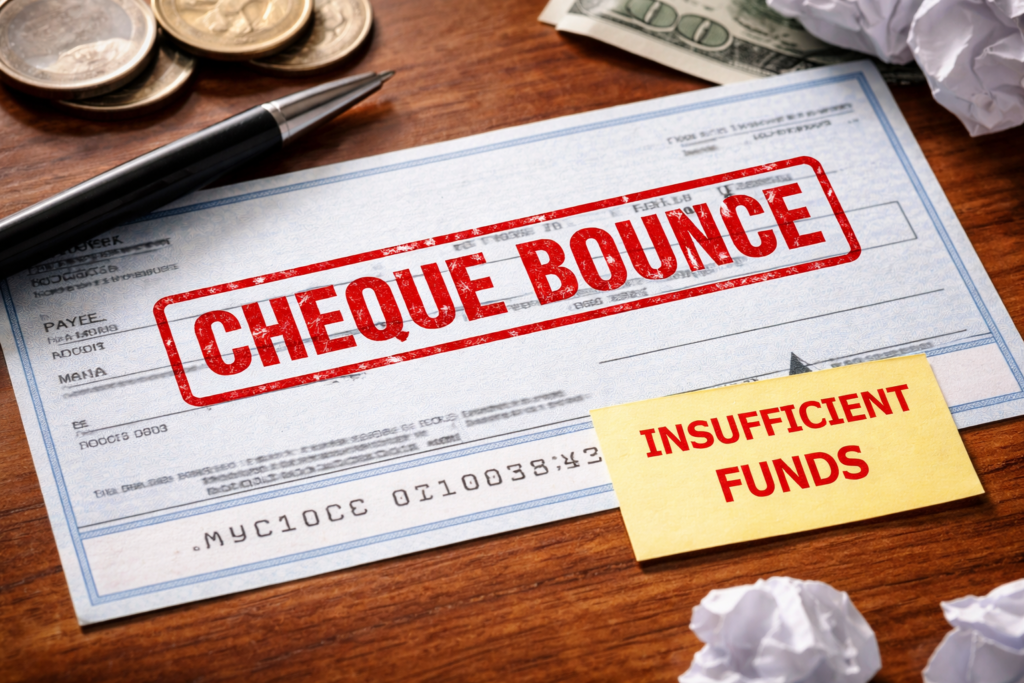
Cheque dishonour, commonly known as cheque bounce, is a serious financial and legal issue in India. Governed primarily by the Negotiable Instruments Act, 1881, cheque dishonour cases have increased due to the widespread use of banking instruments in business and personal transactions. Understanding the rights of both the payee (the person receiving the cheque) and […]
Cheque Bounce vs Fraud Cases in India: Understanding Legal Differences

Cheque-related disputes are common in commercial and personal transactions. However, not every dishonoured cheque amounts to fraud, and not every fraud involves a cheque bounce. Understanding the legal distinction between cheque bounce cases and fraud cases is essential for proper legal action, whether you are a complainant or an accused. This article explains the differences […]
Cheque Bounce Cases

Cheque Bounce & Recovery: Understanding Section 138 of the Negotiable Instruments Act A cheque bounce can have serious legal consequences under Indian law. Section 138 of the Negotiable Instruments Act, 1881 provides the legal framework for addressing dishonoured cheques due to insufficient funds, stop payment, or other reasons. This provision ensures financial accountability and protects […]